By Trina Wood on August 10, 2017, in Human & Animal Health
This week, the U.S. Centers for Disease Control and Prevention announced a bold step to enhance public-health preparedness for diseases transmitted by mosquitoes and ticks in the nation’s southwest. With an $8 million grant from the CDC, University of California, Davis and Riverside researchers will launch the Pacific Southwest Regional Center of Excellence in Vector-Borne Diseases later this month.
“The southwestern U.S. is facing many new challenges in recent years from invasive mosquitoes and emerging pathogens, such as Zika virus, and we urgently need better options for their control,” said UC Davis epidemiologist and center Co-Director Chris Barker. “Funding for this center will enable important research to optimize the tools we have and to look for new ways forward, while training the next generation of public-health scientists.”
Drawing on just one area of science is not going to be sufficient for addressing the challenges presented by vector-borne diseases, which is the strength of the collaboration between the two UC campuses. Both are top-tier research and teaching institutions with leading experts in vector-borne diseases, including entomologists, epidemiologists, virologists and computer scientists who train a diverse group of scholars interested in public health.
According to entomologist and center Co-Director William Walton of UC Riverside, “this Center of Excellence will bring together researchers using the latest cutting edge approaches in the laboratory and field, with practitioners protecting public health to develop a community of practice and provide new technologies to prevent the occurrence of vector-borne diseases.”
The center’s funding begins later this month and continues through the end of 2021. The center has three specific goals:
- Conduct applied research to develop and test effective prevention and control tools to anticipate and respond to vector-borne disease outbreaks;
- Train vector biologists, entomologists, and physicians in the knowledge and skills required to address vector-borne disease concerns; and
- Strengthen and expand existing collaboration among academic communities and public health organizations at federal, state and local levels.
UC Davis and UC Riverside already have strong collaborations with the California Department of Public Health and Mosquito and Vector Control Association of California, who will be critical partners in the center.
“The CDC’s support will enable us to build on these partnerships to ensure that our region of the U.S. will be ready to respond to future threats from vector-borne diseases,” Barker said.

 MERCED, CA– The Merced County Mosquito Abatement District identified Aedes aegypti, also known as the yellow fever mosquito, in the city of Merced (zip code 95340). This mosquito is capable of transmitting several human diseases, including dengue, chikungunya, yellow fever, and Zika. This mosquito is not native to California and is the first detection in Merced County. Since 2013, Aedes aegypti has been detected in 13 other California counties, primarily south of Merced.
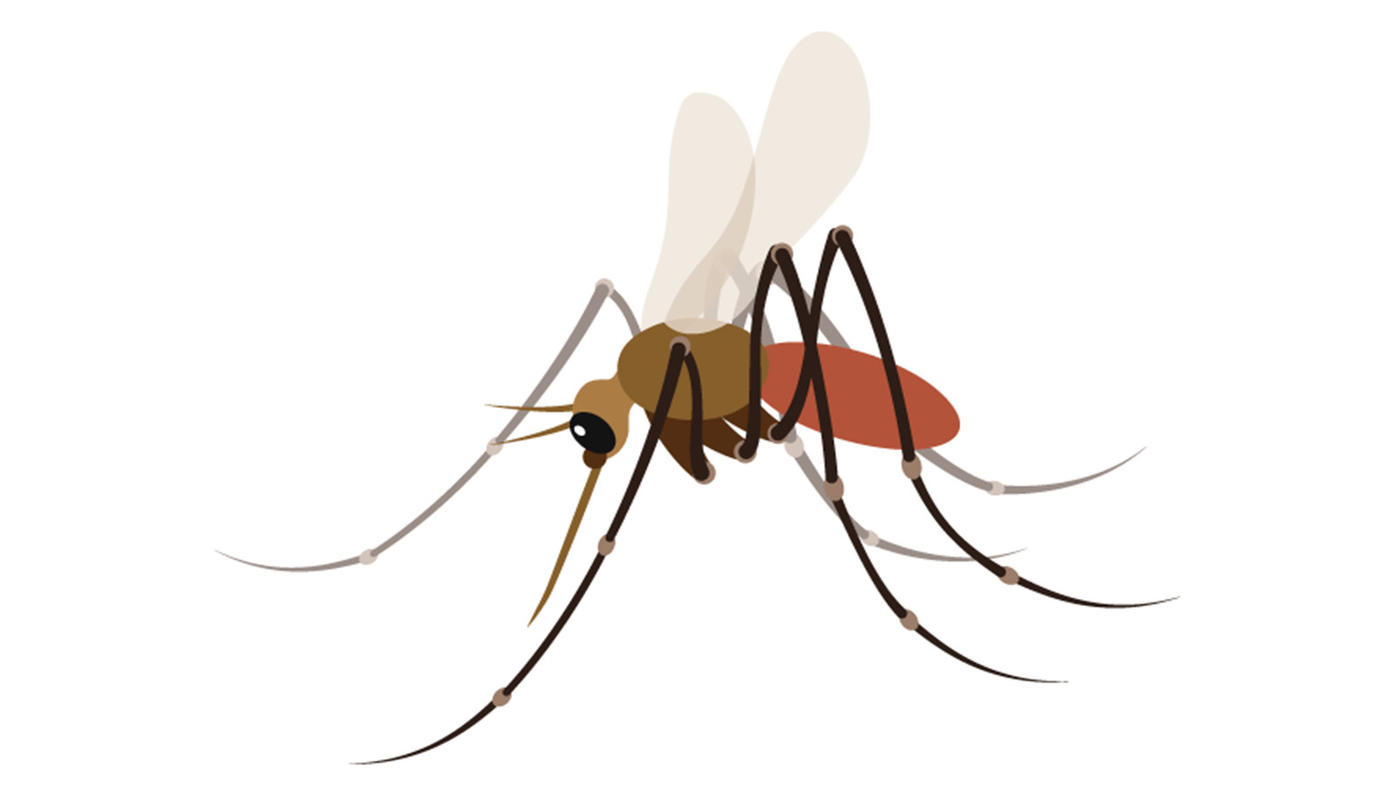 Mosquitoes are more than a spoiler of backyard barbecues. They threaten more than half the world’s population with their disease-spreading bites. In fact, mosquitoes are deadlier — by far — than sharks and snakes.